Your Complete Booking Guide
Seeing a mountain gorilla family in the wild is, for most travelers, the single biggest reason they come to Uganda. But before you can stand ten meters from a 200-kilogram silverback in the mist of Bwindi Impenetrable Forest, you need one thing above everything else: a valid gorilla trekking permit. Permits are limited, they sell out, and the rules around them change from year to year. This guide walks you through exactly what a gorilla permit costs, how to book one, and what to expect on trekking day, and shows you how Uganda Car Rental Services fits into the plan by getting you safely and comfortably to the trailhead.
What Is a Gorilla Trekking Permit?
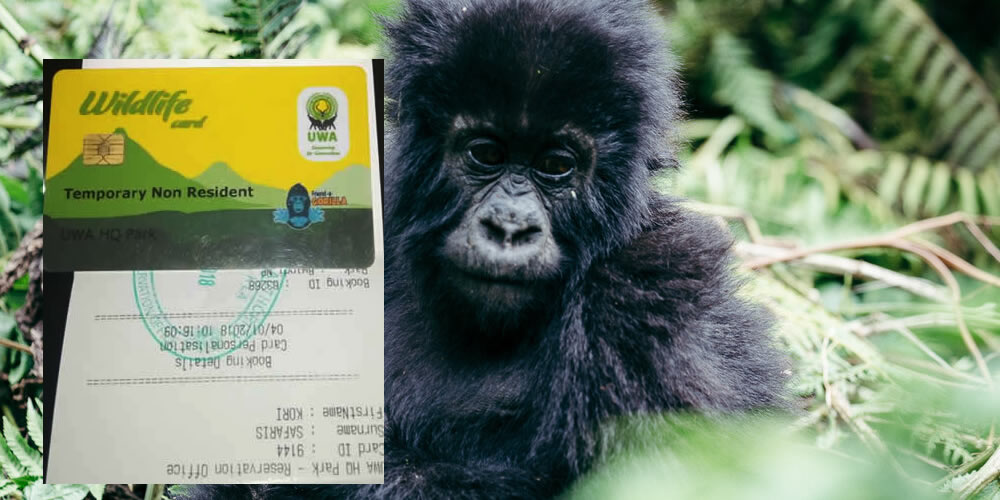
A gorilla trekking permit is an official document issued exclusively by the Uganda Wildlife Authority (UWA) that grants one person the right to spend up to one hour with a habituated mountain gorilla family in either Bwindi Impenetrable National Park or Mgahinga Gorilla National Park. It is not optional, and it is not something you can arrange on arrival at the park gate. Permits are allocated to specific gorilla families in specific trekking sectors, on a specific date, and only a fixed number are printed each day, so the entire experience is built around this single piece of paper.
The permit fee covers park entrance, the ranger-guide team that leads your trek, trackers who locate the gorilla family that morning, and armed security personnel who accompany every group. It does not cover transport, accommodation, porters, or tips, which is where planning your route and vehicle in advance makes a real difference.
How Much Does a Gorilla Permit Cost?
UWA reviews its tariffs periodically, and the current pricing structure (2026) breaks down as follows:
Standard trekking permit, high season:
- Foreign non-residents: $800 per person
- Foreign residents (valid Uganda work permit): $700 per person
- African citizens (outside East Africa): $500 per person
- East African Community citizens (Uganda, Kenya, Tanzania, Rwanda, Burundi, South Sudan, DR Congo): approximately UGX 300,000 (around $80)
Low-season discounted permits: UWA now offers reduced pricing during the “green season” months of April, May, and November, when rainfall is higher but trails are quieter and lodge rates drop as well. During these months, foreign non-resident permits fall to around $600, with proportional discounts for other categories. These discounted permits are generally non-reschedulable, so only book them if your travel dates are firm.
Gorilla Habituation Experience: For travelers who want more than the standard one-hour visit, UWA offers a habituation permit priced around $1,500 per person. This lets you join researchers and rangers for up to four hours with a gorilla family that is still being acclimatized to human presence, offered in Bwindi’s Rushaga sector. It’s a smaller, more intensive, and more expensive experience, capped at far fewer visitors per day than standard trekking.
Because tariffs are reviewed periodically, always confirm exact current pricing with your tour operator or UWA directly before finalizing payment.
How Many Permits Are Available?
Only eight people are allowed to visit any single gorilla family per day, a rule designed to minimize stress on the animals and reduce the risk of disease transmission, since gorillas share roughly 98% of human DNA and are highly susceptible to human respiratory illness. Across all trekking sectors in Bwindi (Buhoma, Ruhija, Rushaga, and Nkuringo) and Mgahinga combined, this adds up to somewhere in the range of 150 to 180 standard permits available each day, nationwide. During peak travel periods, that number sells out well in advance.
 When to Book
 When to Book
Book as early as possible, ideally three to six months ahead of your intended trekking date, and further out still if you’re traveling during peak season (June to September and December to February) or if you have a group of four or more people who want to trek the same gorilla family together. Permits for the busiest sectors and the most photogenic, easy-access gorilla families are typically the first to sell out.
One important recent change: as of March 2026, UWA removed the seven-day reservation hold that used to let operators provisionally reserve a permit before paying in full. Full payment is now required immediately to secure your permit, so once you’ve decided on your dates, be ready to pay right away rather than “holding” a spot while you finalize the rest of your itinerary.
How to Book a Gorilla Permit
Step 1: Choose your trekking date and park. Decide between Bwindi Impenetrable National Park, which offers four trekking sectors and by far the larger gorilla population, and Mgahinga Gorilla National Park, which is smaller, borders Rwanda and DR Congo, and is a good option when Bwindi is fully booked.
Step 2: Choose a sector (if trekking Bwindi). Buhoma is the most established and accessible sector, with the shortest average drive from Kampala’s western route. Ruhija sits at higher altitude with cooler weather. Rushaga has the most gorilla families and the widest date availability, and is also home to the habituation experience. Nkuringo is the most remote and physically demanding, but rewards trekkers with some of the park’s most dramatic scenery.
Step 3: Book through a licensed operator. While it’s technically possible to buy a permit directly from UWA, the great majority of travelers book through a licensed Uganda tour operator, who handles the paperwork, confirms availability against the daily allocation, and can bundle the permit with transport and lodging. This is also where a reliable rental vehicle matters: your permit is tied to a specific date and location, and missing your trekking briefing because of transport trouble is not something UWA can fix after the fact.
Step 4: Pay in full to confirm. Since the 2026 rule change, your permit is only truly secured once payment clears, not when a date is provisionally noted. Payments are typically made by bank transfer or card through your operator.
Step 5: Receive your permit confirmation. UWA has moved toward a digital permit system with QR-code verification. Make sure you receive an official confirmation document before your trip and carry both a printed and digital copy with you on trekking day, along with your passport, since IDs are checked against permits at the briefing.
What to Expect on Trekking Day
Trekking days start early. Briefings at the park headquarters for your sector typically begin around 7:00 or 7:30 AM, where rangers assign trekking groups to specific gorilla families based on fitness level and group size, and cover forest etiquette and safety rules. From there, treks can range from a relatively easy one-to-two-hour walk to a demanding five-or-six-hour hike through steep, muddy terrain, depending entirely on where the assigned gorilla family happens to be that morning; this is genuinely unpredictable and part of what makes gorilla trekking an adventure rather than a scheduled visit.
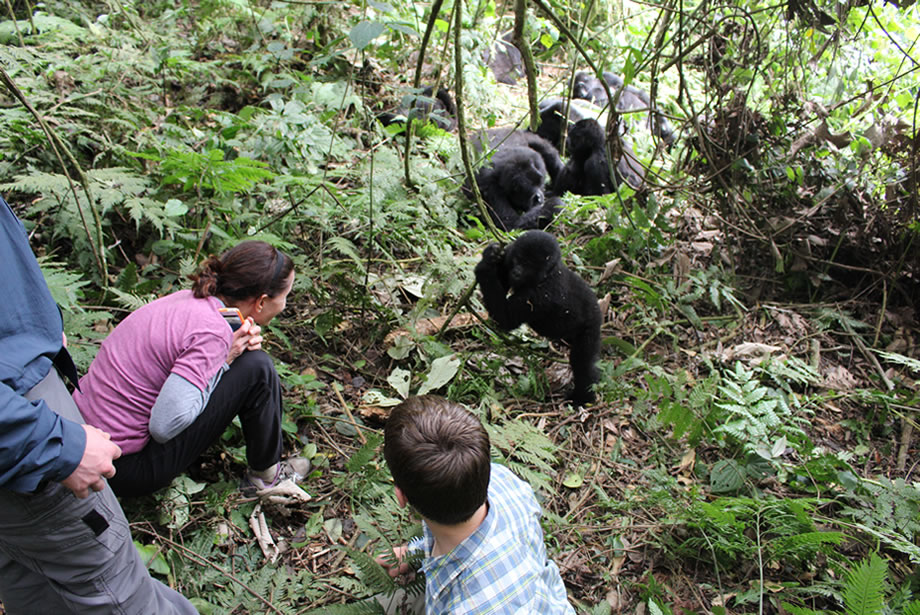
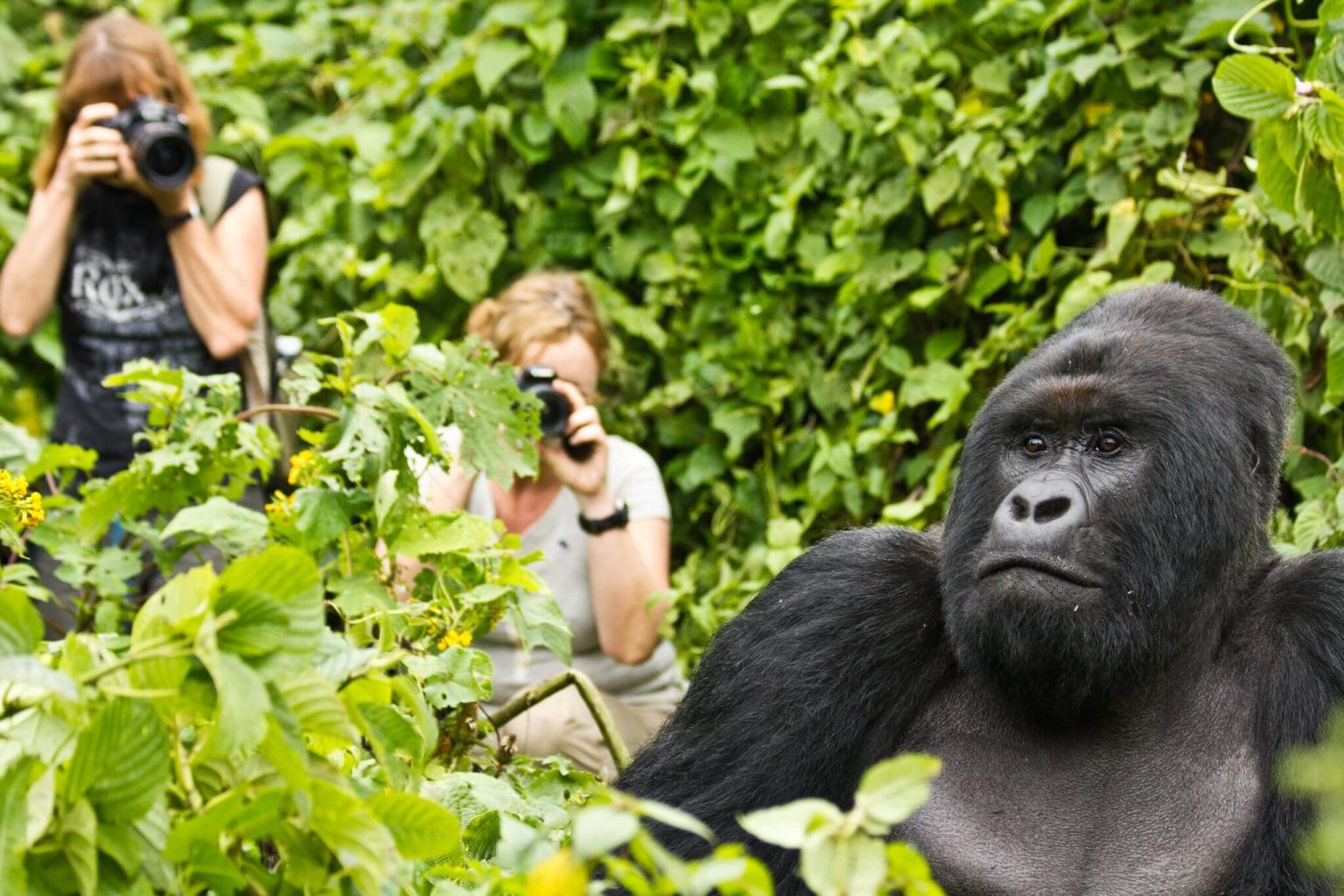 Once your group locates the gorillas, you get a strict one hour with the family (four hours for habituation permits). Current UWA protocol requires a minimum distance of around ten meters from the gorillas and a surgical mask worn in their direct presence, both measures aimed at protecting the gorillas from human-borne illness. If you’re feeling unwell before your trek, with symptoms like a cough, fever, or flu, report it to the warden rather than pushing through; UWA generally offers a partial refund or rescheduling option for self-reported illness, which protects both you and an endangered population that has no immunity to human colds.
Porters are available for hire at the trailhead and are worth every dollar, both for helping you manage the terrain and because your porter fee goes directly to a local community member. Children under 15 are not permitted to trek.
Getting to the Trailhead: Where Your Car Rental Comes In
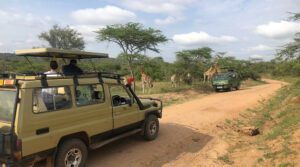
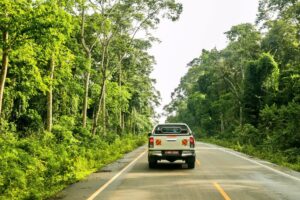
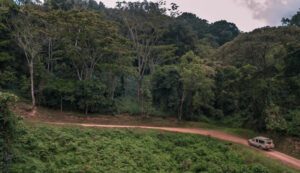
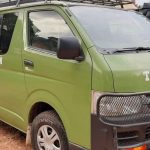
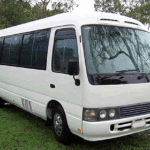
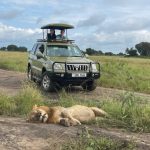
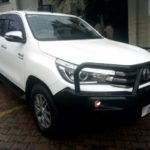
A gorilla permit is only useful if you actually reach the right park gate, at the right sector, on the right morning, and Bwindi and Mgahinga are both remote, requiring a full day’s drive from Kampala or Entebbe, mostly on winding roads through the southwestern highlands. Uganda Car Rental Services offers 4×4 vehicles built for exactly this kind of route, with the ground clearance and reliability to handle the murram roads leading into Buhoma, Ruhija, Rushaga, and Nkuringo, particularly if you’re trekking during the rainier low-season months when road conditions matter most.
We can arrange:
- Self-drive 4×4 rental, for travelers confident navigating rural roads and checkpoints independently
- Rental with an experienced driver-guide, who knows the sector roads, park procedures, and can help keep your schedule tight on trekking morning
- Multi-day itineraries that combine your gorilla trek with stops at Lake Mburo, Queen Elizabeth National Park, or Lake Bunyonyi along the way, so the long drive south becomes part of the trip rather than dead time
Quick Answers to Common Questions
Can I get a same-day or walk-in permit? Almost never during peak season. Permits are allocated well in advance against a fixed daily cap, though last-minute cancellations occasionally free up a permit if you’re already in the country and flexible.
What happens if it rains and I can’t trek? Trekking proceeds in the rain; Bwindi is a rainforest, and rain doesn’t cancel treks. Only illness self-reporting or genuine park closures typically qualify for rescheduling or refunds, so check your operator’s policy in advance.
Can I trek gorillas and chimpanzees on the same trip? Yes, and it’s a popular combination. Kibale National Park, roughly two to three hours from Bwindi by road, is Uganda’s top chimpanzee trekking destination and pairs naturally into the same southwestern circuit.
Is Uganda cheaper than Rwanda for gorilla permits? Significantly. Uganda’s standard permit sits at roughly half the price of Rwanda’s, while offering comparable trekking experiences and a larger overall gorilla population, which is a major reason Uganda has become the region’s most popular gorilla trekking destination.
Ready to plan your route to Bwindi or Mgahinga? Contact Uganda Car Rental Services for a 4×4 rental, with or without a driver, built for the journey to your gorilla trekking sector.