


Kampala, Uganda — The World Health Organization has officially declared Uganda free of Ebola, capping a tense few months for the East African nation after it completed the mandatory 42-day countdown without a single new confirmed case.
The announcement was made at a joint press conference between WHO and Uganda’s Ministry of Health. WHO’s Representative in Uganda, Dr. Kasonde Mwinga, confirmed that the country had reached the internationally recognized threshold — 42 days, or twice the maximum incubation period of the virus — since the last confirmed patient was discharged, with no evidence of any further transmission.
From Outbreak to All-Clear
Uganda’s outbreak was first detected in mid-2026, with cases traced back to the much larger and deadlier Ebola crisis unfolding across the border in the Democratic Republic of Congo. In total, Uganda recorded 20 cases — most involving people who had traveled from the DRC — and two deaths, a toll health officials credit to swift containment measures, including rapid contact tracing, quarantine protocols, and enhanced border screening.
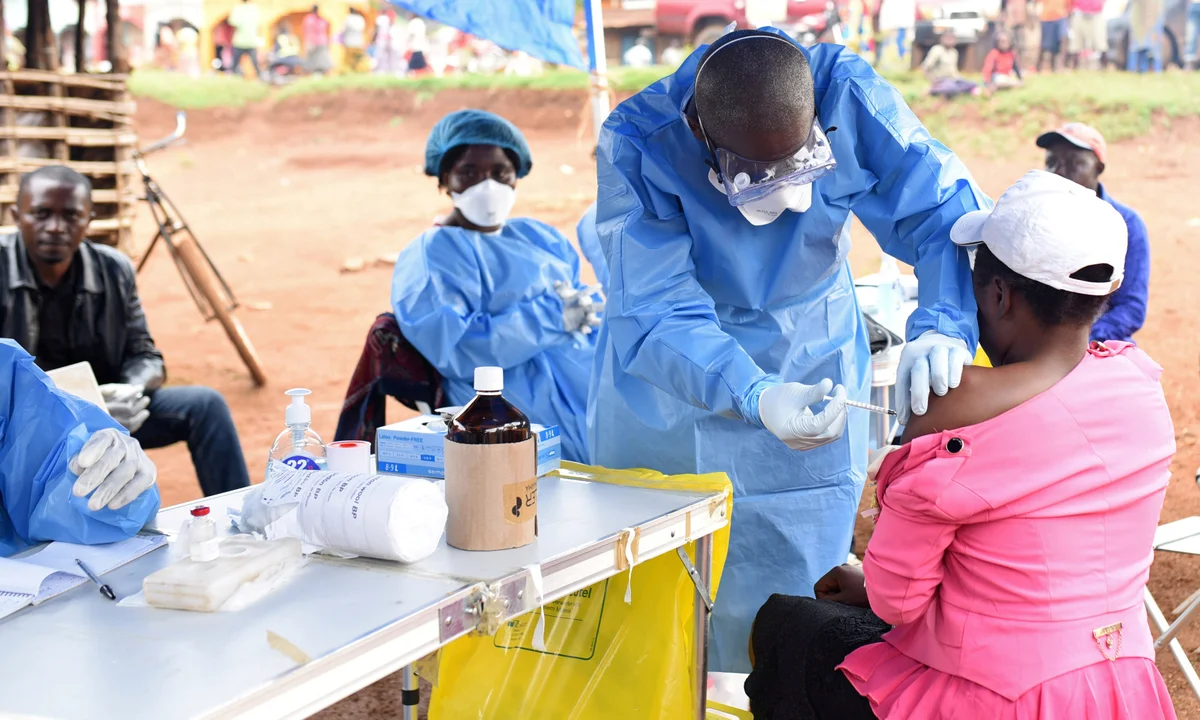
The country’s last confirmed patient was discharged on July 16, triggering the 42-day countdown WHO requires before an outbreak can be formally declared over. Uganda’s own Ministry of Health had announced a preliminary “Ebola-free” milestone back in late July, but WHO’s rules require the full waiting period to elapse before the international declaration becomes official — a step Uganda has now cleared.
Dr. Diana Atwine, Permanent Secretary at Uganda’s Ministry of Health, said the extended wait reflected process rather than doubt. “We had assessed the risk, we had assessed the whole chain of transmission and the dynamics of importation of the virus in the country, and we knew that we were free from Ebola,” she said. “However, WHO had to wait because that’s the process. That’s the guideline.”
Vigilance Continues at the Border
While Uganda celebrates, the outbreak in neighboring DRC remains the fastest-spreading in that country’s history, with more than 5,600 confirmed cases and over 2,700 deaths recorded since it was declared in May. Uganda shares an 877-kilometer border with the DRC and has pledged continued support for the response there, including plans to open two additional Ebola treatment centers on the Congolese side.
Ugandan health officials say they are not letting their guard down. Surveillance at border crossings, screening of travelers, and monitoring of unexplained deaths will continue nationwide, even as the country returns to normal footing.
Uganda Open for Business — and Adventure
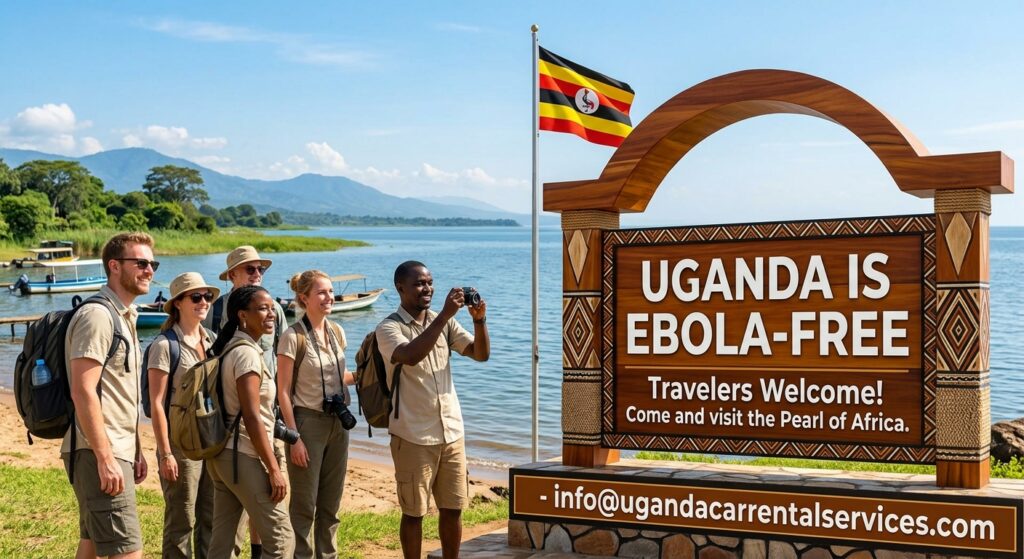
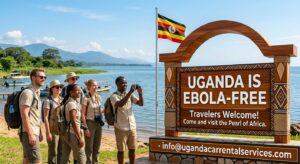
With the WHO’s stamp of approval now official, Uganda’s Ministry of Health is urging the world to look past the headlines of the past few months and rediscover the country as a premier travel destination. Officials are calling on nations that imposed travel advisories or restrictions during the outbreak to lift them without delay.
For travelers who have been holding off, the message from Kampala is simple: now is the time to visit.
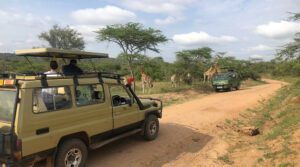
From gorilla trekking in Bwindi Impenetrable Forest to white-water rafting on the Nile in Jinja, safari drives through Queen Elizabeth National Park, and the vibrant energy of Kampala itself, Uganda’s tourism sector is ready to welcome visitors back with confidence. Health authorities emphasize that robust surveillance systems remain firmly in place at all points of entry, giving travelers an added layer of assurance.
So pack your bags — the Pearl of Africa is calling, and there’s no need to let Ebola concerns hold you back any longer.
Book your rental car in Uganda today by sending an email to info@ugandacarrentalservices.com or call/ chat via +256-7900135510.
This article is based on reporting from WHO, Uganda’s Ministry of Health, and international news sources as of late August 2026.


Related Articles
Renting a Car in Kampala vs Entebbe: Which Saves You More
The 10 Best Tourist Places to Visit With A Rental Car In Uganda
Self Drive Uganda: Hidden Routes Only Locals Know