


Renting a car is one of the best ways to experience Uganda — from the winding roads to Bwindi Impenetrable Forest to the open highways leading toward Murchison Falls. But before you pull out of the rental office and start your adventure, there’s one habit every smart traveler should build: take photos of everything.
A few minutes with your phone camera can save you from disputes over damage, fuel levels, or missing accessories when you return the vehicle. Here are 12 things you should photograph before you leave the lot.

1. All Four Sides of the Car
Walk around the vehicle and capture the front, back, and both sides in full. Wide shots establish the overall condition before you’ve even opened the door.
2. Close-Ups of Any Existing Scratches or Dents
Zoom in on every scuff, dent, or scratch — no matter how small. Time-stamped, well-lit close-ups are your best defense against being blamed for pre-existing damage.
3. The Windshield and All Windows
Cracks, chips, and even minor pitting on the windshield are easy to miss in a quick glance but can become costly claims later. Photograph each window individually.
4. The Tires and Wheels
Check and photograph tread condition, sidewalls, and hubcaps or rims. Curb rash and low tread are common points of dispute at return.
5. The Odometer Reading
A clear photo of the exact mileage at pickup protects you if there’s ever a question about how far you’ve driven.
6. The Fuel Gauge
Most rental agreements require you to return the car with the same fuel level you received it. Photograph the gauge (or digital display) so there’s no ambiguity later.
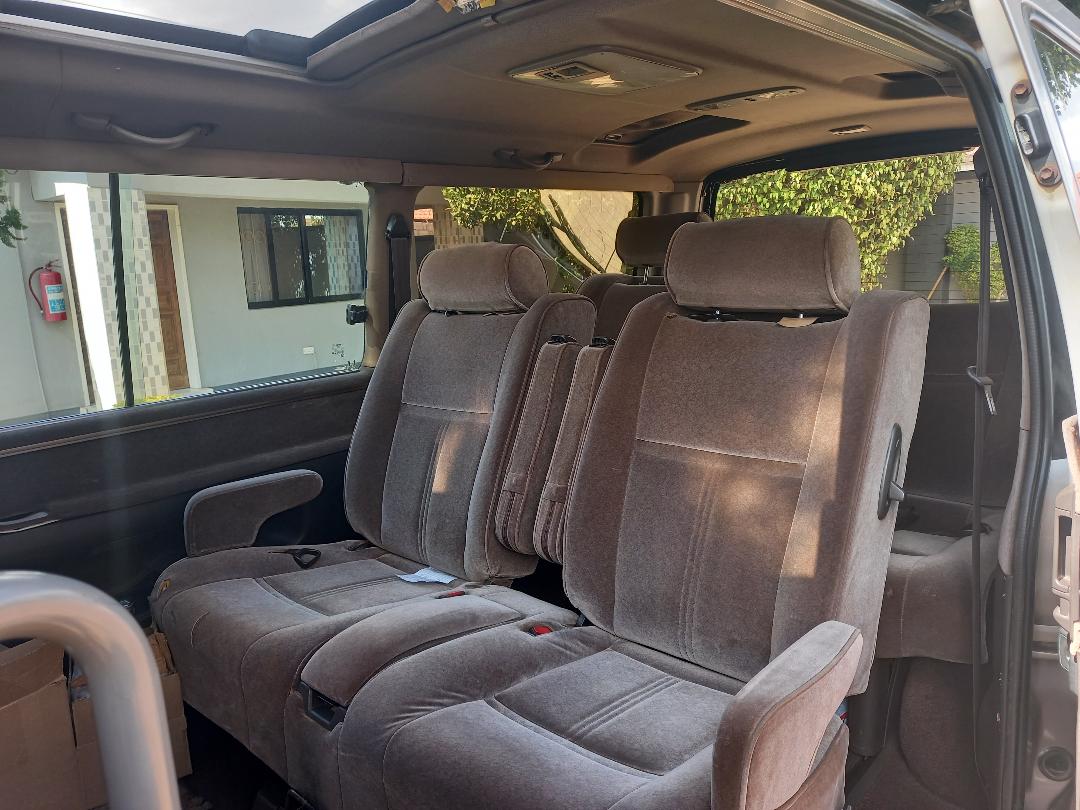
7. The Interior — Seats, Dashboard, and Carpets
Capture the upholstery, dashboard, and floor mats. Stains, tears, or cigarette burns should be documented immediately, especially if you didn’t cause them.
8. The Trunk or Boot Space
An empty trunk photo confirms there’s nothing left behind by a previous renter — and shows the condition of the trunk liner and interior panels.
9. The Roof and Undercarriage (If Accessible)
Hail damage, dents from tree branches, or scrapes underneath are often overlooked. If you can safely check, snap a photo of the roof and, if visible, the underside.
10. Any Included Accessories
If your rental comes with a spare tire, jack, GPS unit, child seat, or dash cam, photograph each item to confirm it’s present and in working condition.
 11. The Rental Agreement and Vehicle Documents
 11. The Rental Agreement and Vehicle Documents
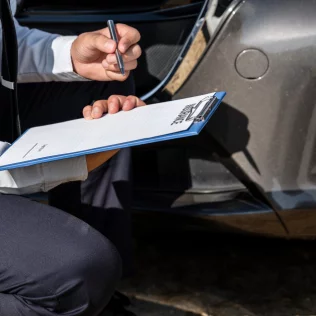
Take a clear photo of the signed rental agreement, insurance details, and any inspection checklist provided by the rental office. This is your paper trail.
12. A Timestamped “Walk around” Video
Beyond still photos, a short video walking around the entire car — narrating the date, time, and any existing damage — adds an extra layer of protection that’s hard to dispute.
Why This Habit Matters
Ugandan roads, while beautiful, can include gravel paths, potholes, and unpaved stretches, especially near national parks. Rental companies are generally understanding about wear from normal driving, but disputes can still arise over damage, fuel, or missing items at drop-off.
Taking a few minutes to document your rental car thoroughly isn’t about distrust — it’s about giving both you and the rental company a clear, fair record. It takes less time than filling out a form, and it can save you hours of back-and-forth (and unexpected charges) when you return the vehicle.
So before you hit the road toward your gorilla trek, safari, or Nile-side adventure, grab your phone and snap away. It’s the smartest five minutes you’ll spend on your entire trip.
To book a rental car in Uganda for self drive road trip- simply contact us now by sending an email to info@ugandacarrentalservices.com or call +256-700135510.


Related Articles
Land Cruiser Safari Car Rental Uganda: Specs, Roof & Driver
How to Book Car Hire Services in Uganda: 6 Easy Ways
Unlimited Mileage Car Rental in Uganda: What to Know