


Planning a self-drive safari in Uganda is one of the best ways to experience the Pearl of Africa at your own pace. You can leave Kampala early in the morning, stop at a roadside market, spend a few days watching elephants and lions in a national park, continue through the countryside to the forests of western Uganda, and finish your trip around Lake Bunyonyi or Bwindi.
But before booking flights and a rental car, there is one question most travellers want answered first: how much does a self-drive safari in Uganda actually cost?

The answer depends on your rental car, the number of days you travel, fuel consumption, accommodation, national park fees, activities, and whether you camp or stay in lodges. For 2026, a realistic self-drive safari budget can range from roughly US$100–$250 per person per day for a couple travelling economically, up to considerably more for luxury accommodation and activities like gorilla trekking.
The good news is that a Uganda self drive safari is flexible — you control where you go, how long you stay, and how much you spend. This guide breaks down the major cost categories so you can build a realistic budget before you arrive.
Quick Answer: How Should You Budget?
| Expense | Typical Budget |
|---|---|
| Rental car | US$50–$150+ per day |
| Fuel | Approximately US$20–$50+ per day |
| Accommodation | US$30–$300+ per person/night |
| National park fees | Varies by park/activity |
| Food | US$15–$50+ per person/day |
| Gorilla trekking | US$800 permit for foreign non-residents |
| Chimpanzee tracking | From US$250 for foreign non-residents at Kibale |
| Camping | Often much cheaper than lodges |
| Travel insurance | Depends on provider and coverage |
These are planning figures rather than a fixed package price — your actual cost will depend heavily on your route, vehicle, travel dates and accommodation choices. For reference, current published rates from Uganda Car Rental Services start at US$50/day for a Toyota RAV4, US$80/day for a Land Cruiser Prado, and US$130/day for a rooftop-tent Land Cruiser, self-drive, excluding fuel where stated.
Your Biggest Cost: The Rental Car
Your rental vehicle in Uganda will normally be one of the largest single expenses on a self-drive safari, but the cheapest vehicle isn’t always the smartest choice — the right one depends on your itinerary. If you’re mainly travelling between Kampala, Entebbe, Jinja and other towns on paved roads, you may not need a large safari Land Cruiser. If your trip includes several national parks, rough park tracks, remote areas or camping gear, a capable 4×4 becomes much more important.
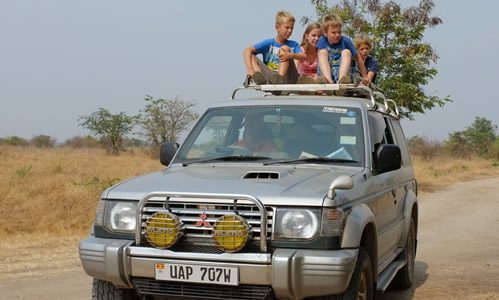
A Toyota RAV4, available from US$50 per day, is a good fit for couples, solo travellers, shorter safaris and budget-conscious trips that combine cities with national parks and don’t require rooftop camping equipment.
A Land Cruiser Prado, from US$80 per day excluding fuel, suits families or couples wanting more comfort and space, especially on longer safaris, rougher roads, or multi-park itineraries where extra luggage capacity matters.
A rooftop-tent Land Cruiser, from US$130 per day self-drive and excluding fuel, is worth considering if your priority is keeping accommodation costs down while still having a genuine safari feel. Instead of paying for a lodge every night, you combine your vehicle and your accommodation — a good option for adventurous travellers who are comfortable camping and want more flexibility.
Don’t Forget Fuel
Fuel is one of the easiest costs to underestimate. A safari itinerary can involve hundreds or even thousands of kilometres — a route like Entebbe → Murchison Falls → Kibale → Queen Elizabeth → Bwindi → Lake Bunyonyi → Entebbe is a very different fuel bill from five days spent around Kampala and Entebbe alone.
Your consumption depends on the vehicle type and engine size, road conditions, how many passengers and how much luggage you’re carrying, your driving speed, time spent driving inside the parks, and whether you’re travelling in rainy conditions. A larger Land Cruiser will generally use more fuel than a smaller RAV4, so it’s worth calculating fuel based on your actual planned route rather than adding a rough daily figure to your budget.
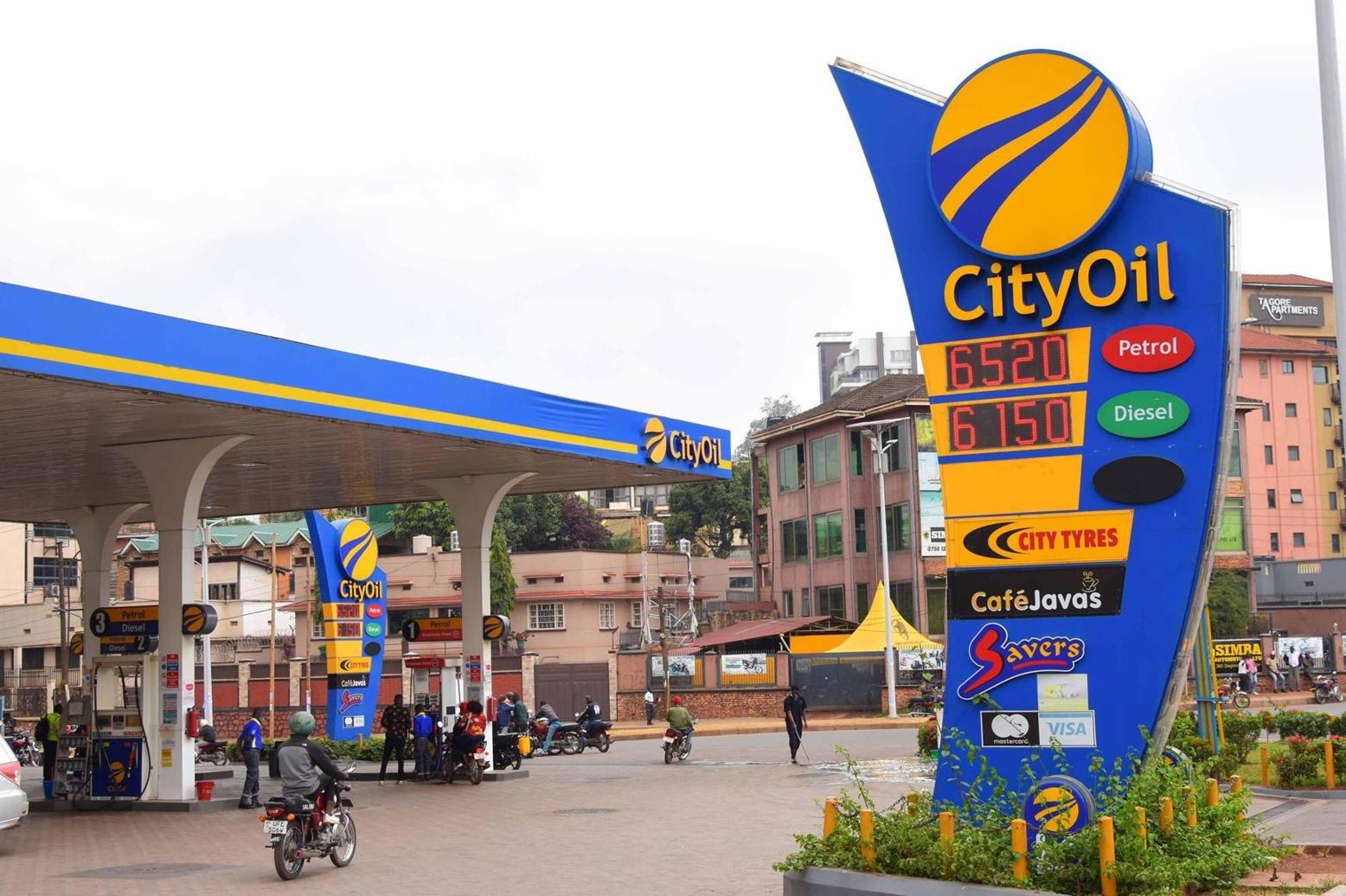
A simple way to estimate it: total kilometres ÷ vehicle’s average km per litre × fuel price = estimated fuel cost. For example, a 1,500 km trip in a vehicle averaging 10 km per litre uses about 150 litres. At roughly US$1.60 per litre, that comes to around US$240. This is only an illustrative example — check current fuel prices before your trip, and fill up before entering remote areas where stations are less frequent.
Read our guide about fuel costs & petrol stations in Uganda for better road trip planning.
Accommodation: The Cost That Can Change Everything
Accommodation is where two travellers doing essentially the same route can end up with completely different budgets. One traveller might spend US$30–$50 a night at a guesthouse or budget camp; another might spend several hundred dollars a night at a luxury safari lodge in Uganda.
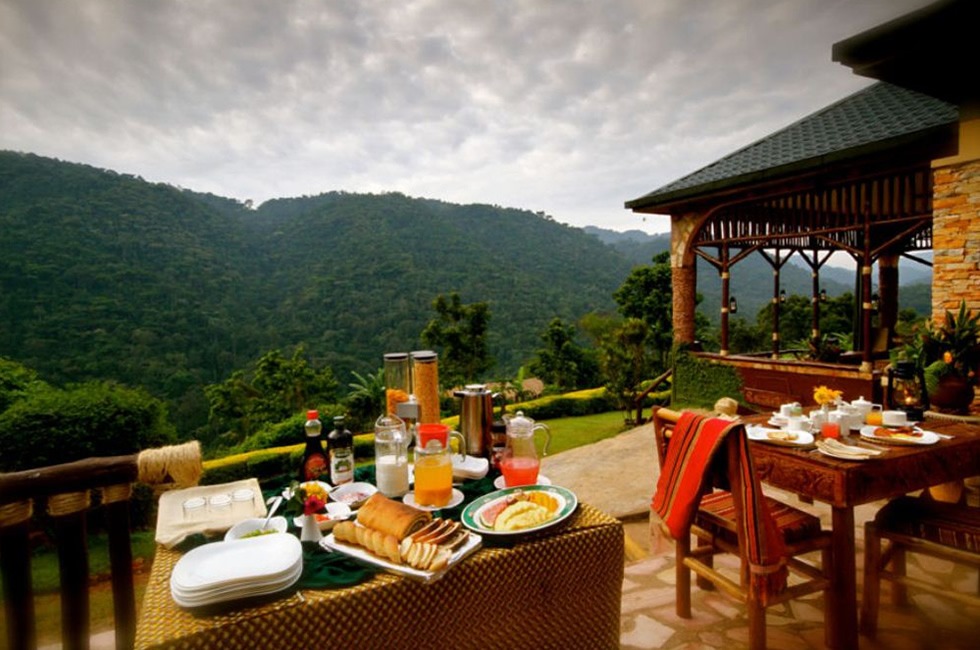
Budget accommodation — guesthouses, basic safari camps, local hotels and campsites — is the easiest way to keep your overall trip cost under control. Mid-range lodges tend to be the sweet spot for many travellers, offering comfortable rooms, meals and scenic locations without luxury-lodge prices. Luxury lodges, on the other hand, can dramatically increase your total trip cost, particularly around high-demand destinations such as Bwindi, Queen Elizabeth and Murchison Falls. If you’re on a limited budget, mixing accommodation categories across your trip is usually more sustainable than staying luxury throughout.
National Park Entrance Fees
National park fees are a separate and important line in your budget. The Uganda Wildlife Authority (UWA) manages Uganda’s parks and publishes official conservation tariffs — the current tariff runs through 2026, with changes expected for the 2026–2027 period, so it’s worth verifying the latest figures directly with UWA before you travel.
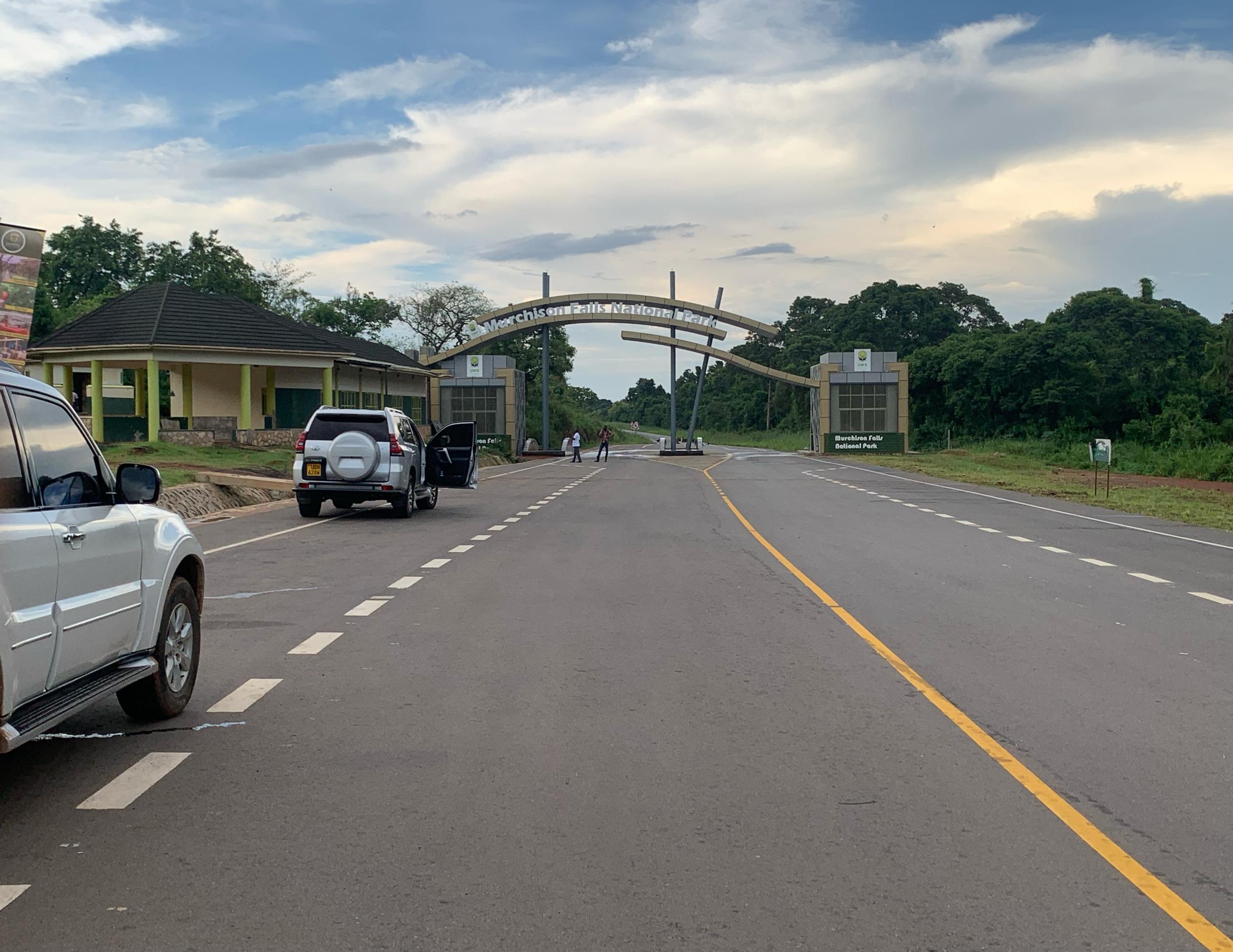
Costs here can include park entrance, game drives, vehicle entry fees, boat cruises, guided activities, and specialist wildlife experiences such as chimpanzee tracking or gorilla trekking. It’s a mistake to budget only for the rental car and accommodation and assume park activities are included — they aren’t.
Gorilla Trekking Can Change Your Entire Budget
If gorilla trekking is part of your itinerary, treat the permit as a major expense in its own right. Under the UWA tariff covering July 2024 to June 2026, the gorilla permit for a foreign non-resident was US$800, with different rates for foreign residents and East African citizens — meaning a couple could spend US$1,600 on permits alone, on top of the car, fuel and accommodation. This is why two travellers can give wildly different answers to “how much does a Uganda safari cost?” A seven-day safari without gorilla trekking might have a moderate ground budget; add trekking for two people and the total rises substantially.
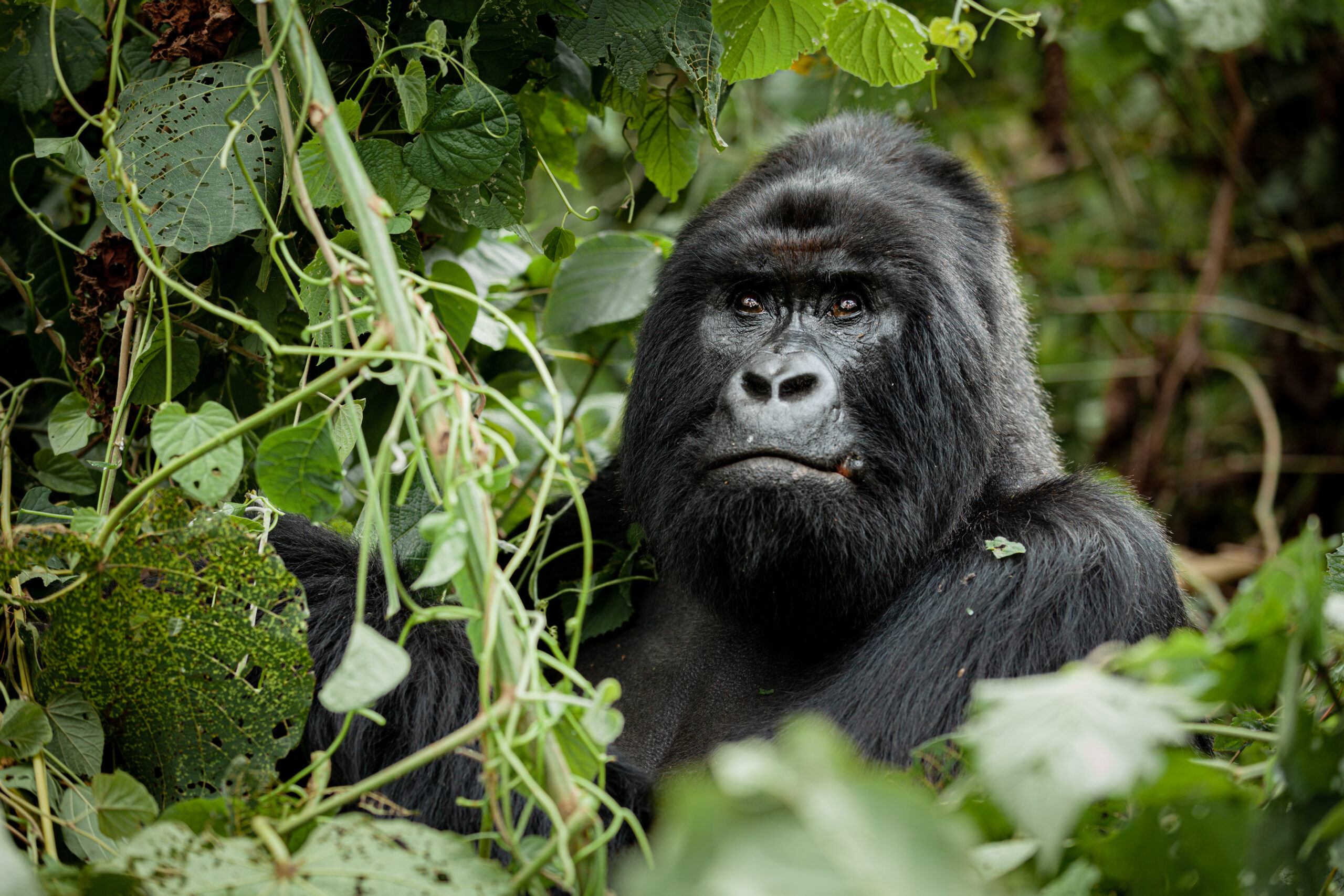
If gorilla trekking matters to you, budget for the permit early rather than building your trip around a cheap car rental and discovering afterward that permits are the largest line item. UWA also publishes official guidance on purchasing gorilla and chimpanzee permits, so it’s worth booking through official channels with current pricing.
Chimpanzee Tracking Costs
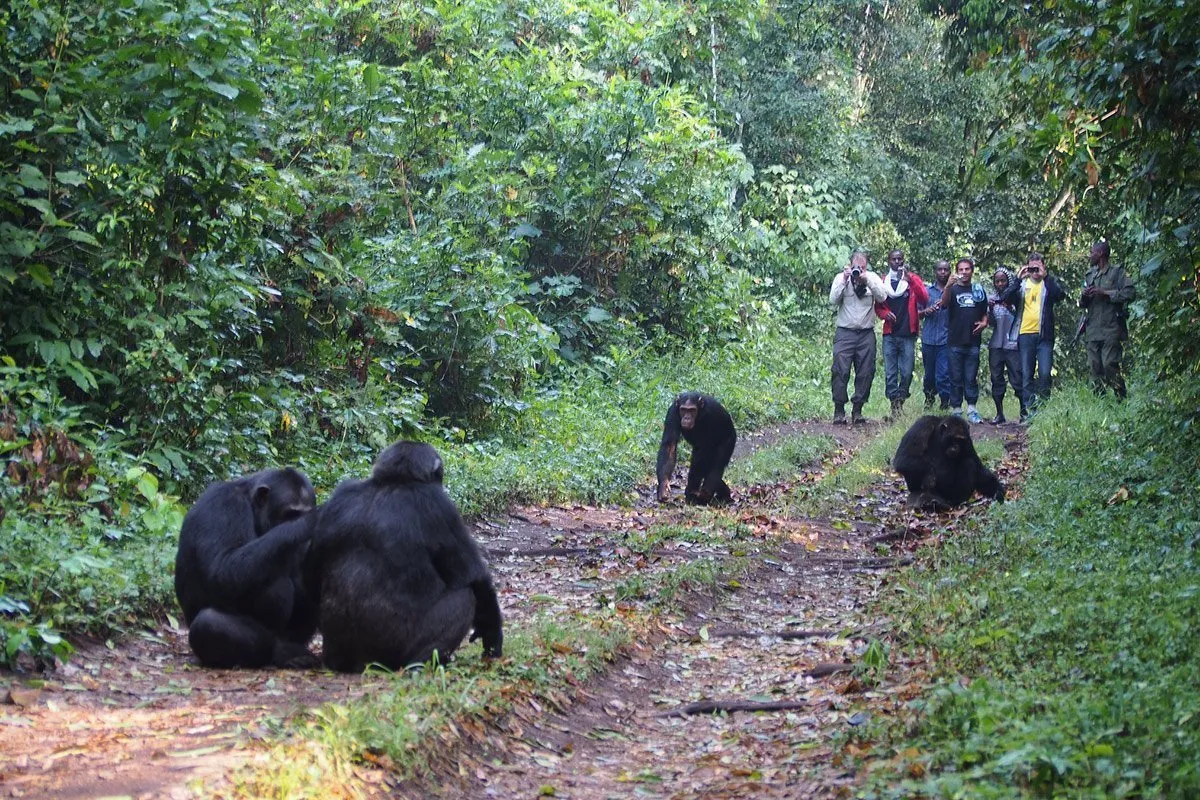
Chimpanzee tracking is another popular activity worth budgeting for separately. The UWA tariff lists US$250 for foreign non-residents at Kibale National Park under the 2024–2026 tariff. Kibale is one of Uganda’s main chimpanzee destinations, and many travellers combine it with Queen Elizabeth and other western Uganda stops. The lesson is the same as with gorillas: activities can be a significant share of your total trip cost, so don’t calculate your budget from car hire alone.
Food and Camping
Food is one of the easier costs to control. You’ll find options ranging from local and roadside restaurants to guesthouse, lodge and hotel meals, plus the chance to stock up on snacks and drinks in larger towns before heading into remoter areas. A couple eating mostly at local spots will spend considerably less than travellers dining at high-end lodges every night, and if your rental includes camping equipment, preparing some of your own meals can cut costs further.
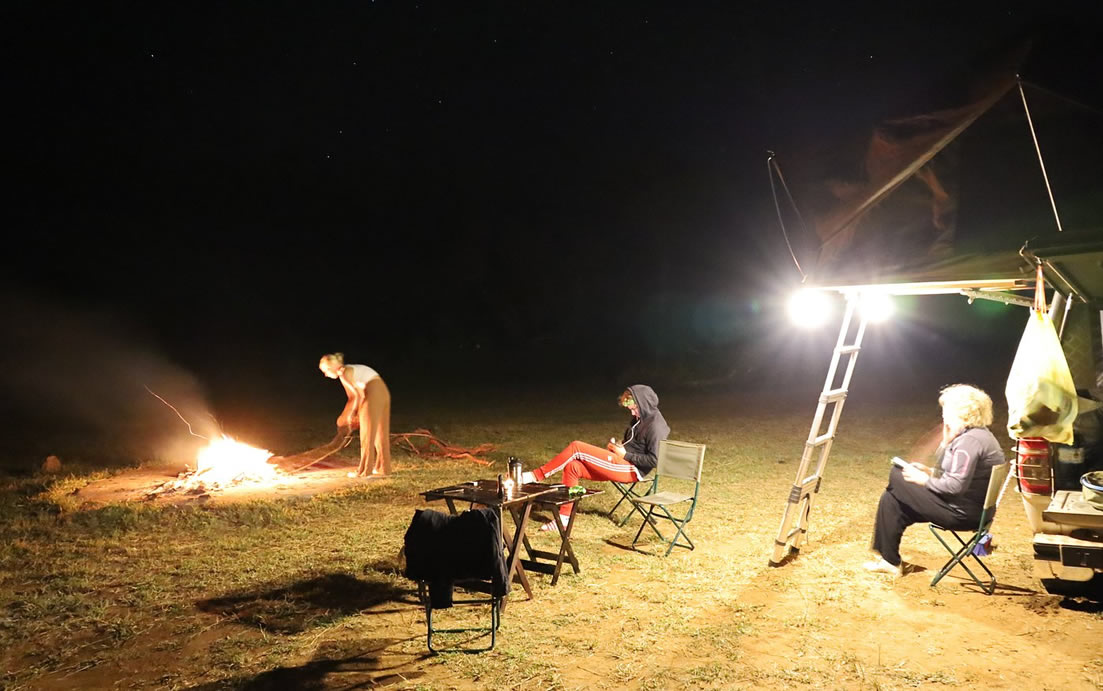
Camping more broadly can meaningfully reduce your accommodation bill. Instead of paying for a rental car plus a lodge every night, a rooftop tent lets you combine transport and accommodation into one cost. That doesn’t make camping free — you’ll still likely pay campsite fees, park fees, food and possibly equipment costs — but it’s typically far cheaper than luxury lodging, and it offers a genuinely different experience for travellers who enjoy the outdoors.
Self-Drive vs. Hiring a Driver
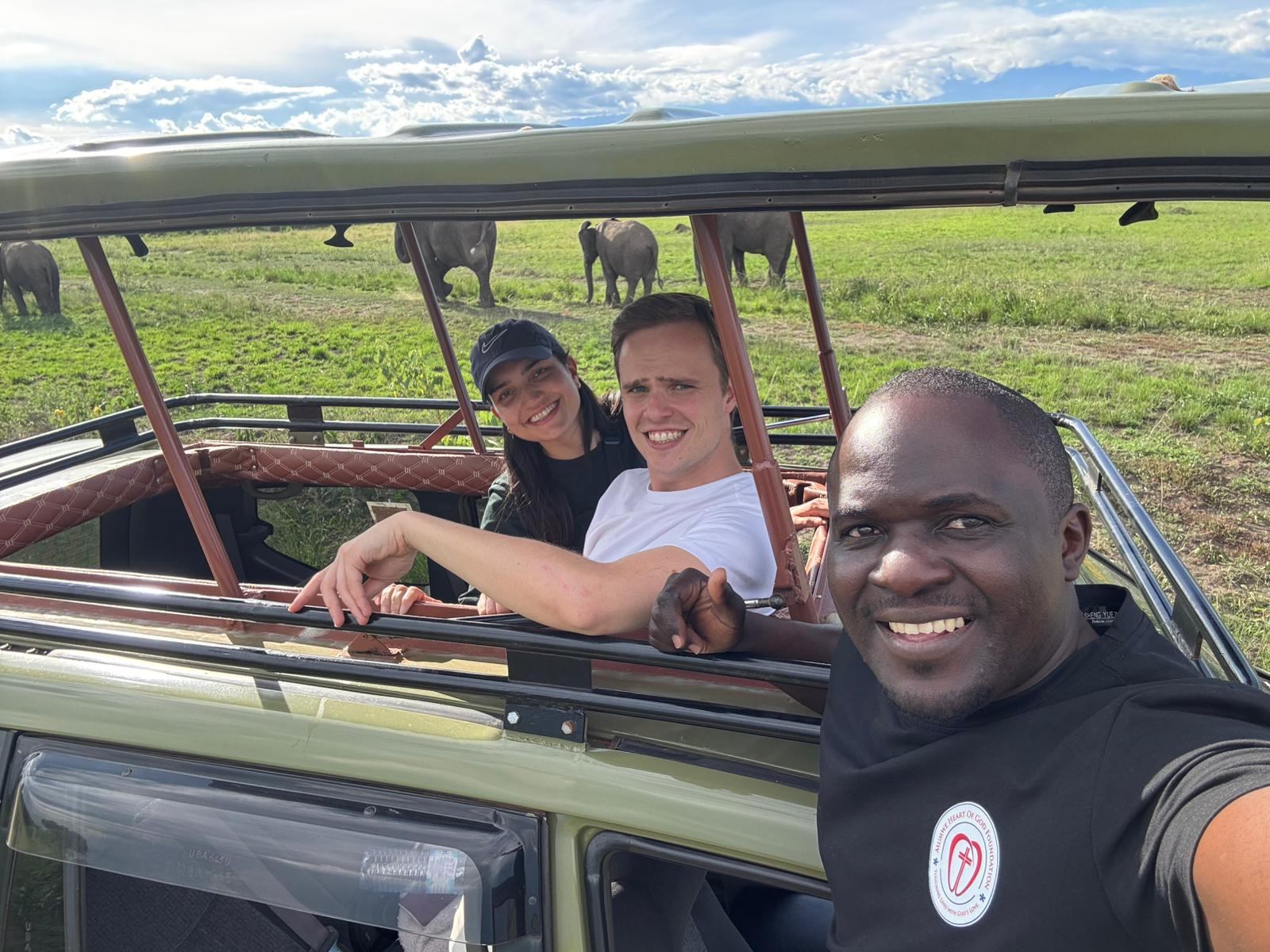
Beyond the numbers, it’s worth thinking about how you want to travel. Self-drive gives you independence, flexible departure times, and full control over your route and stops, often at a lower daily transport cost — it suits experienced travellers comfortable driving in unfamiliar environments. A driver-guided safari trades some of that flexibility for local route knowledge, less navigation stress, and help with logistics, which can be valuable on a first visit or a complex multi-park itinerary. The right choice depends less on price and more on what kind of trip you want: hands-on independence, or the freedom to focus purely on wildlife and scenery.
Worked Example: A 7-Day Budget Self-Drive Safari
Imagine two people travelling together for seven days through Entebbe, Murchison Falls, Kibale, Queen Elizabeth and back toward Entebbe, in a RAV4 at roughly US$50 per day.
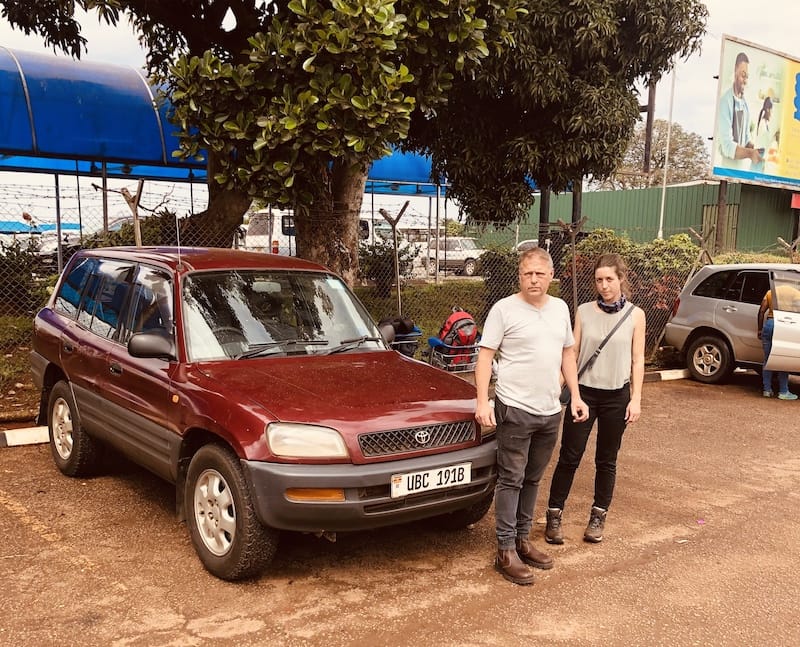
- Vehicle: 7 days × $50 = US$350
- Fuel: approximately 150 litres at US$1.60/litre = US$240
- Accommodation: 7 nights at an average US$60/room = US$420
- Food: 2 people × 7 days × US$25 = US$350
- Activities and park costs: roughly US$200–$500, depending on parks and activities chosen
That brings the estimated total to roughly US$1,560–$1,860 for two people, or about US$780–$930 per person for the week — around US$111–$133 per person per day. This is illustrative, not a quotation; your actual total could be higher depending on accommodation, permits, activities, vehicle choice and route.
Add gorilla trekking to that same trip and the picture changes considerably. Two permits at the UWA reference rate of US$800 each add US$1,600, pushing the total from roughly $1,560–$1,860 up to around US$3,160–$3,460+, before any other gorilla-related expenses. That single activity shows why it pays to budget your safari in separate categories — a “cheap Uganda safari” can become an expensive one once premium activities are added, though for many travellers seeing mountain gorillas in the wild is the highlight of the entire trip.
How to Save Money on a Uganda Self-Drive Safari
A longer rental can sometimes bring down your effective daily rate, so it’s worth asking your rental company about weekly or long-term pricing rather than simply multiplying the daily rate by the number of days. Choosing the right vehicle also matters more than choosing the cheapest one — a RAV4 is plenty for many itineraries, but a small vehicle chosen purely to save money can end up costing more overall if your route genuinely needs a tougher 4×4.
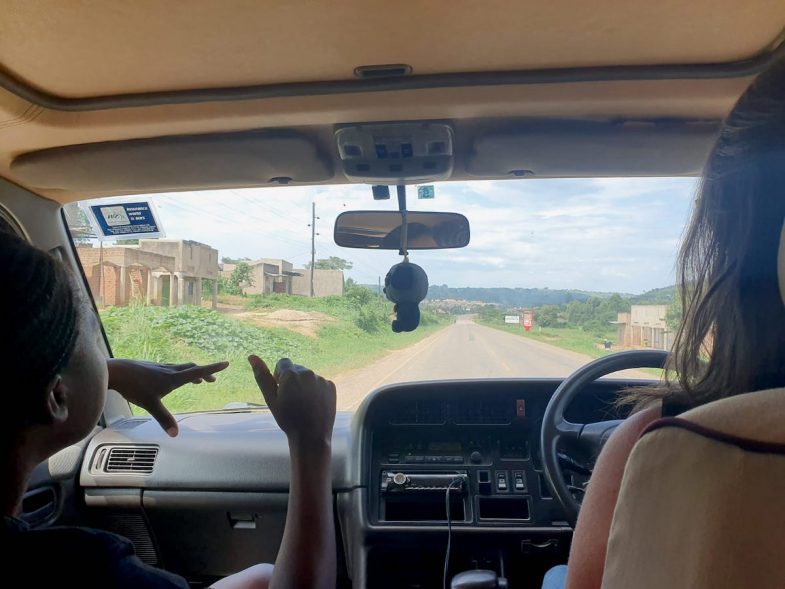
Mixing accommodation types — comfortable mid-range lodges for some nights, budget stays or campsites for others — is one of the simplest ways to control costs, as is planning your route efficiently to avoid backtracking that eats into fuel, time, mileage and accommodation nights. Stocking up on water, snacks and basic supplies in larger towns before heading into remote areas helps too, and because desirable 4×4 vehicles can be in high demand during popular safari periods, booking early gives you a better choice of vehicle and itinerary.
What Should Be Included in Your Rental Price?
This is worth confirming before you pay a deposit, since two companies can advertise similar daily rates while including very different things. Before booking, it’s worth checking whether insurance, unlimited mileage, a spare tyre, roadside assistance, airport pickup, a GPS or local SIM phone, taxes and camping accessories are included — and understanding the security deposit, breakdown procedure, additional-driver policy, and whether the vehicle is permitted inside national parks or across borders.
Uganda Car Rental Services states that its published rates include comprehensive insurance, unlimited mileage, a travel map, a local SIM phone and local government taxes. Even so, it’s worth confirming exactly what’s included in your individual quotation before making payment.
How Much Money Should You Actually Bring?
Don’t arrive with a budget that only covers the rental car. A realistic safari budget accounts for the rental car, fuel, accommodation, food, park fees and activities together, plus a reserve for the unexpected — extra fuel, an unplanned night’s accommodation, minor vehicle costs, or a change of route. A little financial flexibility goes a long way when travelling through rural areas.
Is Self-Drive in Uganda Worth It?
For the right traveller, yes. Self-drive gives you a level of freedom a group tour can’t match — you’re not locked into a rigid schedule, you can stop for photographs, linger at a viewpoint, change your route, or discover small towns that don’t usually make it onto conventional safari itineraries. Because you control the vehicle, you can build the trip around your own priorities rather than someone else’s schedule.
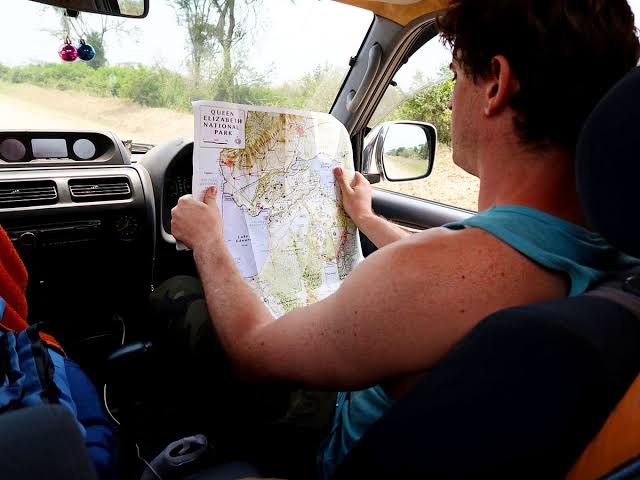
The key is preparation: choose the right vehicle, plan your route, understand the road conditions, budget realistically for fuel, check park fees, book important permits early, and know exactly what your rental agreement includes.
Final Uganda Self-Drive Safari Budget
There isn’t one universal price for a Uganda self-drive safari. A budget-conscious couple travelling with a RAV4, affordable accommodation and carefully planned activities could complete a week-long safari for around US$1,500–$2,000 for two people, excluding international flights and premium activities. A more comfortable trip with better accommodation, a larger 4×4 and more activities could easily reach US$2,500–$4,000+ for two people. Add gorilla trekking, and the budget can rise sharply because of the permit cost alone.
The goal shouldn’t be finding the cheapest possible Uganda safari — it should be building a trip where your vehicle, accommodation, route and activities genuinely match your priorities and budget.
Ready to Plan Your Uganda Self-Drive Safari?
If you’re looking for a reliable rental vehicle for your Uganda road trip, Uganda Car Rental Services offers a range of self-drive and guided 4×4 options, including Toyota RAV4s, Land Cruiser Prados and rooftop-tent Land Cruisers, with self-drive service across destinations including Bwindi, Murchison Falls, Kibale, Queen Elizabeth, Kidepo Valley and Lake Mburo. [View Uganda car rental rates and available vehicles]
If you already know your travel dates and itinerary, the best approach is to request a quote based on your actual route and number of travellers — that way you can compare vehicle costs, estimate fuel requirements, and choose the most suitable 4×4 for your trip.
Contact us today by emailing to info@ugandacarrentalservices.com or calling +256-700135510 to speak or chat withe reservations team.


Related Articles
Self Drive vs Car Hire with a Driver in Uganda
Arriving at Entebbe Airport at Night: Uganda Safari Guide
How to Get to Bwindi & Mgahinga: A Complete Uganda Guide