Fuel is one of the biggest variable costs on a Uganda self-drive safari, and it’s also one of the hardest to estimate accurately from home. Vehicle type, terrain, driving style, and how much game viewing you do all swing the numbers considerably. This guide breaks down realistic fuel consumption figures by vehicle class and shows how to actually budget for a trip, rather than guessing.
Why Fuel Consumption Is Higher on Safari Than on a Normal Road Trip
Before looking at numbers, it helps to understand why safari driving burns more fuel per kilometer than ordinary road travel:
- Low-range 4×4 driving. Navigating muddy, rutted, or steep park tracks often means using 4WD low range, which is far less fuel-efficient than normal driving.
- Slow speeds with the engine still working hard. Crawling over rough terrain at 10–20 km/h doesn’t save fuel the way slow highway driving does — the engine is working against terrain resistance, not coasting.
- Idling during game viewing. Sitting at a sighting with the engine running (for air conditioning, or simply left on) adds up over a multi-hour game drive.
- Air conditioning load. Uganda’s heat means the AC runs almost constantly, which meaningfully increases consumption, especially in slower traffic and on park roads.
- Vehicle weight. A loaded 4×4 with a full complement of passengers, luggage, and sometimes a rooftop tent or extra fuel/water uses noticeably more fuel than the same vehicle empty.
Typical Fuel Consumption by Vehicle Class
These are general real-world ranges rather than manufacturer-quoted figures (which tend to reflect ideal, empty-vehicle, paved-road conditions well below what you’ll actually see on safari roads).
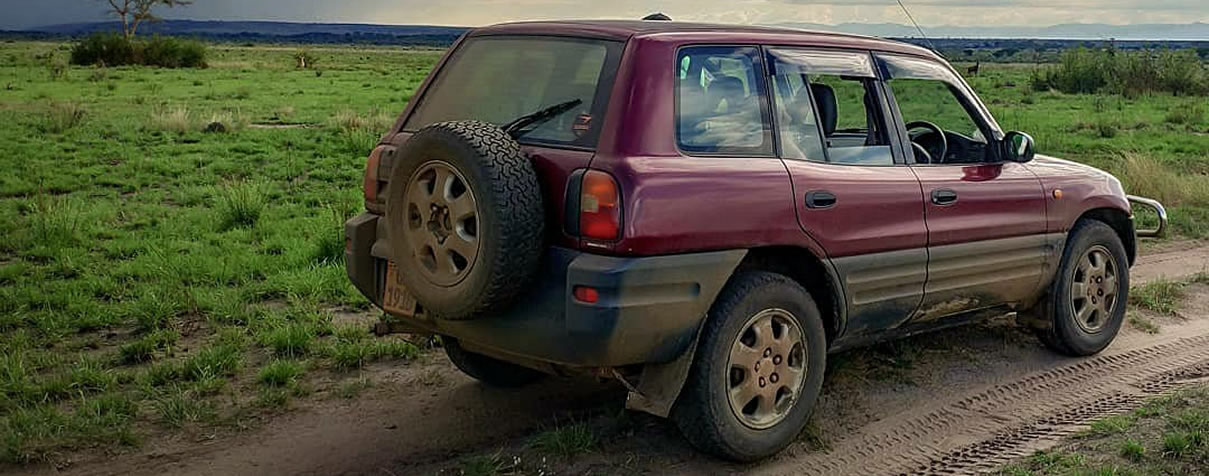
Compact 4×4 (Toyota RAV4-class)
- Paved roads: roughly 8–10 liters per 100 km
- Mixed dirt/park roads: roughly 10–13 liters per 100 km
This class is the most fuel-efficient of the true 4×4 options, which is part of why it’s a popular choice for couples and small families on a budget.
Mid-size 4×4 (Toyota Prado-class)
- Paved roads: roughly 10–13 liters per 100 km
- Mixed dirt/park roads: roughly 13–16 liters per 100 km
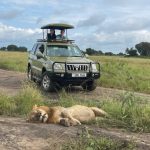
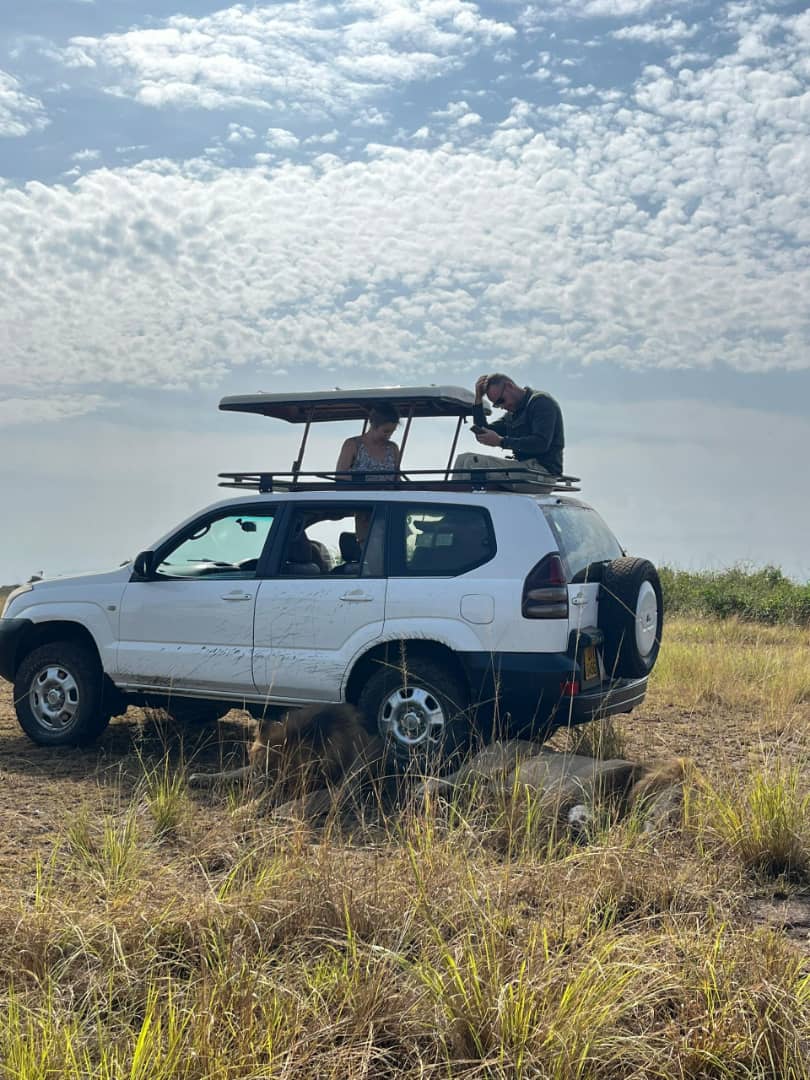
Full-size 4×4 / Safari-spec Land Cruiser (with pop-up roof)
- Paved roads: roughly 13–16 liters per 100 km
- Mixed dirt/park roads and low-range driving: roughly 16–22 liters per 100 km, sometimes higher on very rough terrain or with a full passenger load
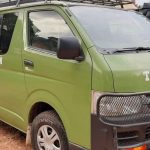
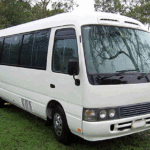
Safari Van (Land Cruiser-based people carriers)
- Paved roads: roughly 12–15 liters per 100 km
- Mixed dirt/park roads: roughly 15–20 liters per 100 km
Keep in mind these ranges shift with driving style, vehicle age and maintenance condition, tire choice, and how much low-range or heavy-AC driving a given day involves. Treat them as planning ranges, not guarantees.
Estimating Total Fuel Cost for a Typical Itinerary
To turn consumption rates into a usable budget, multiply expected distance by the consumption rate, then by the current fuel price.
Example: A 7-day self-drive covering Kampala, Queen Elizabeth National Park, and Bwindi Impenetrable Forest
- Total driving distance (including game drives): roughly 900–1,100 km
- Vehicle: mid-size 4×4 (Prado-class)
- Blended consumption rate (mix of tarmac travel and park roads): roughly 13 liters per 100 km
- Estimated fuel needed: roughly 120–145 liters
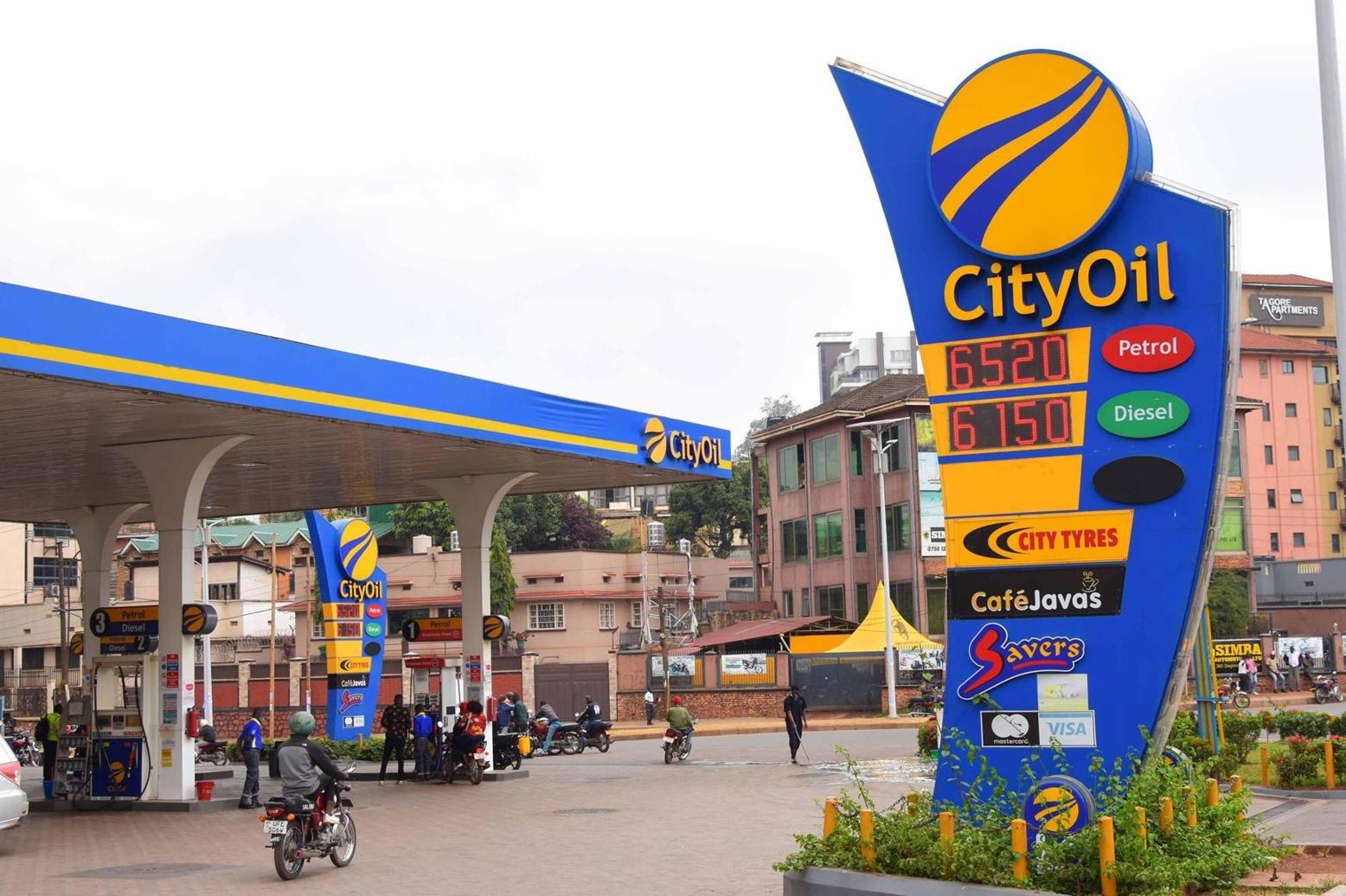
From there, multiply by the current pump price for diesel or petrol (whichever your vehicle uses) at time of travel to get a rough total. Fuel prices in Uganda fluctuate, so it’s worth checking current rates shortly before your trip rather than relying on older figures — a quick check with your rental company or a local source close to departure will give you a more accurate number than any fixed figure quoted in a general guide.
Factors That Push Consumption Higher Than Expected
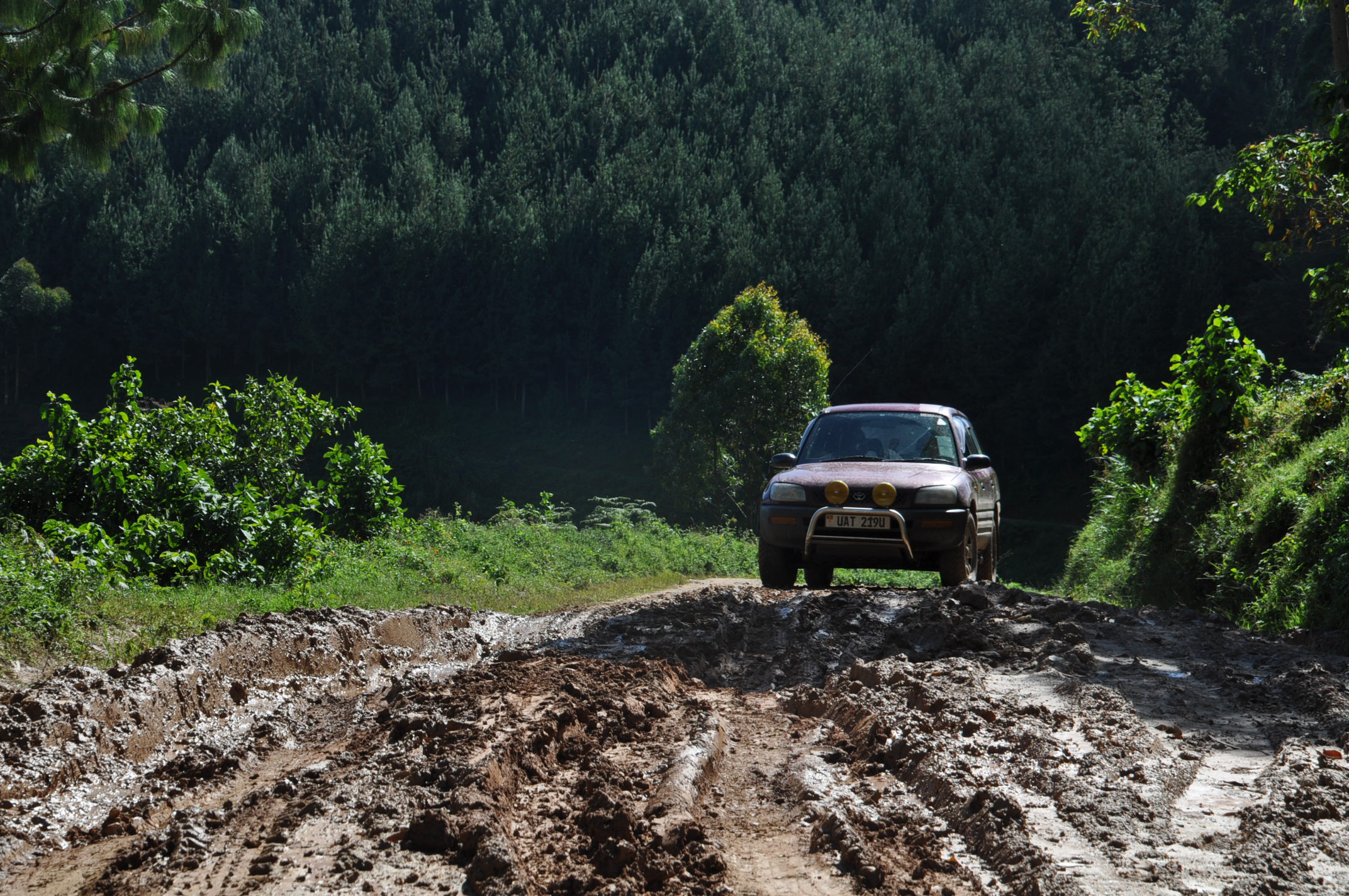
- Extended game drives. A full-day game drive with lots of stopping, reversing for better sighting angles, and idling adds up fast compared to straightforward point-to-point driving.
- Wet season driving. Muddy roads mean more low-range use and more wheel-spin, both of which burn extra fuel.
- Steep or mountainous routes. Areas like the road to Bwindi involve near-constant elevation change, which increases consumption compared to flatter routes.
- Overloading. Cramming in extra luggage, water, and passengers beyond what the vehicle comfortably carries increases fuel use across the whole trip.
- Underinflated tires. A commonly overlooked factor — tires that are slightly underinflated for rough terrain increase rolling resistance and fuel consumption.
Tips to Keep Fuel Costs Under Control
- Use 4WD/low range only when needed. Many drivers leave 4WD engaged longer than necessary out of caution; switching back to 2WD on firmer sections saves fuel where it’s safe to do so.
- Turn the engine off during long sightings. If you’re parked at a sighting for an extended period and don’t need AC running, switching off saves meaningfully over a multi-hour drive.
- Plan routes to minimize backtracking. A well-sequenced itinerary between parks and lodges avoids unnecessary distance.
- Refuel at reliable stations in major towns. Beyond availability concerns, prices can vary somewhat between areas, and topping up in towns rather than waiting until a station happens to be convenient avoids both running low and paying inflated prices at less competitive rural stations.
- Ask your rental company for a realistic per-day fuel estimate based on your specific itinerary. They deal with these routes regularly and can usually give a more precise estimate than any general guide, since they know the actual vehicle model, its condition, and the exact roads involved.
Self-Drive vs. Chauffeur-Driven: Does It Affect Fuel Costs?
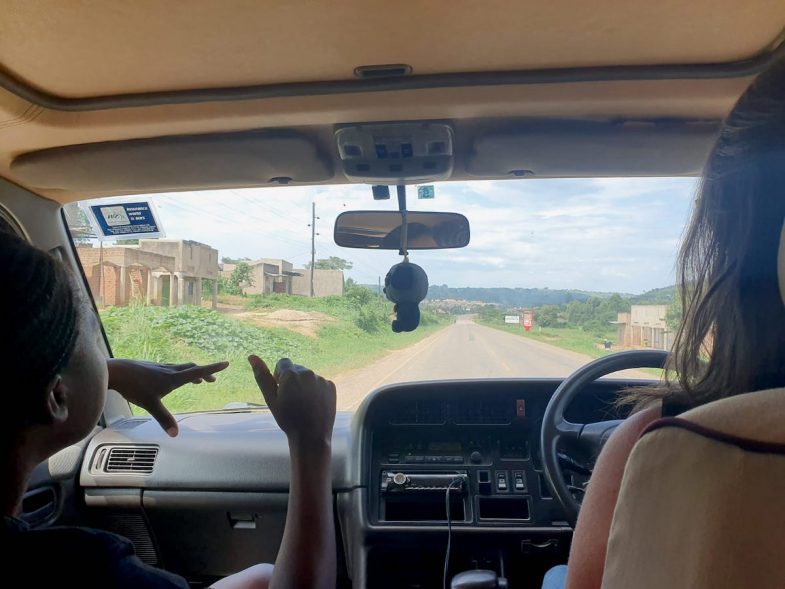
The vehicle burns roughly the same fuel regardless of who’s driving, but chauffeur-driven rentals often include fuel in the quoted daily rate, which removes the guesswork and budgeting effort described above. Self-drive rentals typically require you to fuel the vehicle yourself and return it at an agreed fuel level, so understanding consumption rates matters more directly if you’re driving yourself.
The Bottom Line
Fuel consumption on a Uganda safari runs meaningfully higher than everyday driving because of low-range 4×4 use, rough terrain, constant air conditioning, and idling during game viewing. As a rough planning guide, expect somewhere between 10 and 20 liters per 100 km depending on vehicle size and terrain, with full-size 4x4s and safari vans at the higher end. Building a fuel budget around your specific itinerary — rather than a single generic number — and checking current pump prices close to departure will get you the most accurate estimate for your trip.
Planning to do a self drive safari in Uganda and require a suitable 4×4 for the road trip- simply contact us now by sending an email to info@ugandacarrentalservices.com or call +256-700135510.


Related Articles
Uganda Car Rental for Couples: Best Vehicle Guide
Uganda Car Rental: 12 Photos to Take Before You Drive Off
The 10 Best Tourist Places to Visit With A Rental Car In Uganda